Metal Casting core topics shared in a easy guide
Wiki Article
The Importance of Metal Foundries: An Extensive Introduction of Their Effect On Manufacturing
Metal shops are integral to the production landscape. They transform basic materials into components that offer diverse markets, from automotive to aerospace. Their knowledge in alloy formulation and spreading techniques assures the manufacturing of sturdy parts. The market faces difficulties that can reshape its future. Recognizing these characteristics exposes truth importance of factories in financial and technological contexts. What lies in advance for this vital sector?The Duty of Metal Foundries in the Manufacturing Process
Frequently ignored, metal foundries play an important function in the production procedure by transforming raw steels into usable elements. These centers specialize in melting different metals, such as iron, bronze, and light weight aluminum, and putting them into molds to produce parts for varied industries. The process starts with the careful option of raw products, guaranteeing that just the highest high quality metals are used. When thawed, the metal tackles the form of the mold, solidifying right into elements that satisfy details style and efficiency requirements.Metal shops contribute considerably to sectors like vehicle, aerospace, and building by offering essential parts such as engine blocks, gears, and architectural supports. Their experience in alloy formulation and spreading methods enables suppliers to produce complex styles while preserving stamina and toughness. Metal shops not just help with the creation of necessary components however likewise enhance the total efficiency and performance of modern-day production.
Enhancing Manufacturing Efficiency With Advanced Techniques
Metal foundries are significantly embracing innovative strategies to boost production efficiency and meet the expanding demands of different markets. The execution of automation and robotics has structured processes, minimizing hand-operated labor and boosting accuracy in steel casting operations. In addition, the integration of computer-aided design (CAD) and simulation software application permits for much better planning and optimization of production operations, reducing waste and lowering lead times.Lean making principles are likewise being utilized to eliminate ineffectiveness and enhance resource use. Shops are now concentrating on energy-efficient practices, such as making use of waste warm healing systems, which even more add to cost savings and ecological sustainability. By welcoming these advanced techniques, metal foundries are not just improving their functional efficiency yet also improving product top quality, resulting in greater customer fulfillment. As markets remain to advance, the capability of foundries to adapt to these innovations will be essential for keeping competition in the market.
Developments in Metal Spreading Technology
As the need for accuracy and effectiveness in making expands, developments in metal casting modern technology are transforming the market landscape. Advancements such as 3D printing and computer-aided design (CAD) are enabling foundries to create complicated geometries with greater precision and rate. These techniques decrease material waste and lower lead times, cultivating a more sustainable production procedure.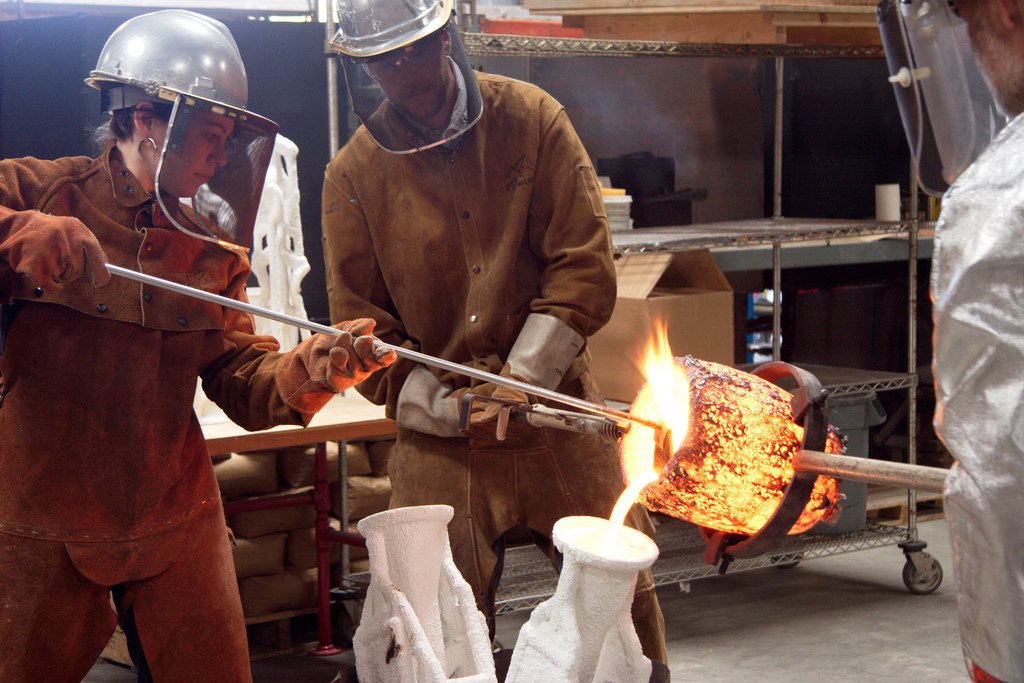
Smart factory innovations, including the Internet of Points (IoT), help with real-time surveillance and data evaluation, maximizing production performance and lowering downtime. Collectively, these developments are not just enhancing the capabilities of steel factories yet likewise setting the phase for the future of production, identified by increased agility and responsiveness to market demands.
The Economic Influence of Steel Shops on Global and local Markets
Metal shops play an important duty in forming economic landscapes, both locally and around the world. They produce substantial task production chances and add to trade and export, boosting general economic growth. Furthermore, foundries sustain neighborhood service environments, fostering interdependent relationships that boost neighborhood strength.Job Development Opportunities
Task production in the metal factory market significantly affects both local and global economies. These facilities give countless job opportunity across different skill levels, from proficient labor to engineering and administration positions. The need for metal components in markets such as vehicle, aerospace, and building and construction drives the need for a robust labor force. As metal foundries increase, they stimulate extra task production in supplementary markets, consisting of transportation, logistics, and supply chain monitoring. In addition, the economic security supplied by foundry work contributes to local areas with increased spending and financial investment in facilities. On the whole, the metal shop market's capacity to develop jobs not just improves specific incomes yet also reinforces local growth and durability, showcasing its crucial role in economic advancement.
Export and Trade Contributions
A considerable portion of the economic effect created by foundries comes from their payments to trade and export. Metal foundries play a vital role in supplying elements for numerous industries, including auto, aerospace, and building and construction, thus enhancing a country's export capacities. By creating high-quality spreadings and parts, foundries enable regional economies to contend on a worldwide range. The export of these products not just enhances earnings yet likewise fosters global partnerships and profession agreements. Additionally, foundries add to a beneficial profession balance, which is important for economic stability. The export activities of steel foundries boost innovation and financial investment, ultimately enhancing their relevance in both local and international markets, driving growth and financial resilience.Local Service Assistance Solutions
While neighborhood economic climates commonly gain from the presence of steel factories, their effect prolongs past simple task production. These facilities contribute greatly to regional company support systems by cultivating a network of vendors, provider, and supplementary sectors. This interconnected environment boosts economic strength, enabling smaller organizations to thrive along with larger shops. In addition, metal shops typically take part in area initiatives, buying regional infrastructure and education, which better promotes economic development. On a broader range, the presence of foundries can attract financial investment and skill, reinforcing the region's affordable advantage in international markets. Ultimately, the financial payments of metal shops not only produce straight employment yet also cultivate a helpful environment for diverse regional enterprises.Obstacles Dealing With Steel Factories in the Modern Age
As the metal foundry sector evolves, it encounters numerous difficulties that endanger its sustainability and competitiveness. One significant concern is the enhancing expense of resources, which directly impacts production expenditures. Global supply chain disruptions additionally exacerbate this issue, making it difficult for factories to preserve constant operations. Furthermore, labor lacks offer a substantial obstacle, as knowledgeable employees end up being scarce in a swiftly altering technical landscape.Steel factories need to contend with stringent environmental policies that require greater compliance expenses and financial investment in cleaner modern technologies. This shift needs shops to adjust swiftly, frequently stressing financial sources.
Competition from automated manufacturing processes and abroad production adds pressure, compeling regional factories to take the chance of or innovate obsolescence. Attending to these challenges is vital for the industry to thrive in a significantly complicated and competitive market atmosphere.
look at here
Sustainability Practices in Steel Establishing
In feedback to the obstacles encountered by the industry, steel factories are progressively embracing sustainability methods to enhance their operational efficiency and environmental duty. These methods consist of the implementation of energy-efficient innovations, such as electric induction heaters, which lower energy consumption and greenhouse gas discharges. Furthermore, lots of shops are focusing on recycling scrap browse around here steel, lessening waste, and using environmentally friendly materials to lessen their ecological impact.
Water conservation steps are additionally being prioritized, with systems created to reuse process water, therefore lowering freshwater use. Furthermore, factories are purchasing employee training programs to promote sustainable practices amongst employees, fostering a culture of ecological awareness.
Future Trends in the Steel Shop Sector
Emerging modern technologies and moving market demands are poised to improve the steel shop market in the coming years. Enhancing automation, driven by improvements in robotics and synthetic knowledge, is expected to improve manufacturing efficiency and minimize labor costs. Aluminum Foundry. Furthermore, additive production strategies, such as 3D printing, are acquiring grip, permitting for even more facility and personalized steel parts with reduced wasteSustainability will also play an important duty, with foundries taking on greener methods to lessen their environmental influence. The industry is most likely to see an increase in making use of recycled materials as raw inputs, lining up with worldwide sustainability goals.
Furthermore, the demand for lightweight and high-performance alloys, especially in the aerospace and vehicle fields, is expected to raise. This evolution will demand continuous financial investment in r & d, making it possible for metal shops to adjust and thrive in an affordable landscape. On the whole, these trends are set to redefine the functional landscape of metal shops.
Frequently Asked Questions
What Kinds of Metals Are Frequently Utilized in Foundries?
Common steels used in factories include iron, light weight aluminum, copper, and zinc. These materials are favored for their unique properties, enabling varied applications in check out here markets such as auto, aerospace, and building and construction, adding considerably to producing procedures.Just How Do Steel Foundries Ensure Product High Quality and Consistency?
Steel shops assure product quality and uniformity through strenuous quality assurance steps, including exact temperature level policy, product testing, and adherence to sector standards. Normal assessments and proficient craftsmanship further boost reliability and harmony in production processes.What Precaution Are Carried Out in Metal Foundries?
Metal factories apply security steps such as personal safety equipment, air flow systems, regular safety training, and strict adherence to security methods to lessen dangers. These techniques intend to secure workers and preserve a risk-free workplace.What Are the Job Opportunities in the Steel Shop Market?
Job possibilities in the metal factory sector consist of duties such as foundry workers, high quality control examiners, designers, maker drivers, and monitoring settings. These roles require different abilities, offering pathways for development and field of expertise within the field.Just How Do Foundries Handle Waste and Recycling of Materials?
Factories take care of waste and reusing with procedures like recovering sand, melting scrap metal, and utilizing byproducts for power. These techniques lower ecological impact while advertising sustainability within the steel casting market and enhancing resource performance.Frequently forgotten, steel shops play an essential function in the manufacturing process by changing raw metals into usable elements. Metal foundries are significantly taking on advanced techniques to improve production effectiveness and fulfill the expanding demands of various industries. Metal shops play a necessary function in providing elements for numerous sectors, consisting of automobile, aerospace, and construction, consequently boosting a nation's export capacities. In response to the obstacles dealt with by the industry, steel factories are progressively adopting sustainability techniques to boost their operational performance and environmental duty. Aluminum Foundry. Career chances in the metal shop market consist of functions such as factory employees, top quality control assessors, engineers, device operators, and monitoring positions
Report this wiki page